In the modern Lorry driver's cab digitalisation has long been part of everyday life. Touchscreens are replacing traditional switches, while cameras and sensors support the driver. Large displays also control assistance systems, entertainment and vehicle data. At the same time, the cabin remains what it has always been: workplace, living room, kitchen and bedroom all in one. This dual role therefore creates a special load - and a clear requirement for cleaning.
This expert article describes which cleaners should be used to clean the inside of a lorry cab and which should definitely not. It also shows why the difference in practice determines material ageing, display clarity and sensor function. Those who understand vehicle care as part of the maintenance plan will derive value retention from it. This is recognised in the Profitability analysis however, is often underestimated.
The most important rule comes directly from practical experience. Household cleaners, washing-up liquid, alcohol and cleaning agents containing vinegar have no place in the cab of a modern lorry. This is because they remove plasticisers from plastics and damage protective coatings on displays. They can also permanently damage sensors.
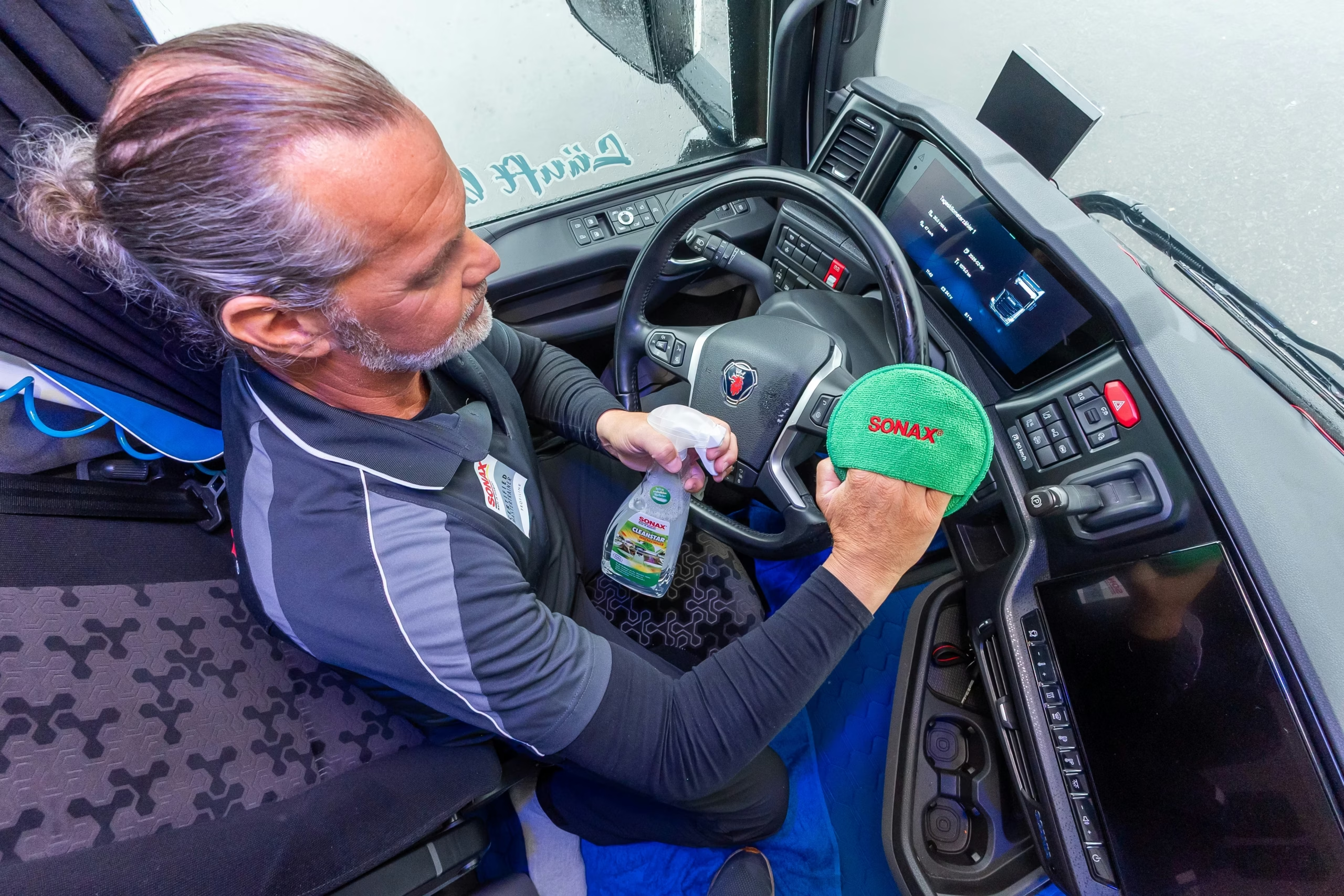
Why the driver's cab needs special cleaning
The materials used in the cabin are under constant pressure: fingerprints, dust, hand perspiration, friction from use, UV radiation and heat. Each of these influences attacks a different weak point. The protective layer of plastics loses stability over time. An incorrect cleaner also visibly accelerates this process.
What happens when material ages
First, the protective layer comes off - recognisable by a slightly matt surface. The colour then fades, the plastic becomes brittle and can develop stress cracks. What begins as a cosmetic problem quickly becomes a functional one: Seals become leaky, housing shells vibrate, controls lose their feel. With leather, wood or piano lacquer, the wrong cleaners have an even more aggressive effect.
Electronics is the second weak point
Cameras, sensors and touchscreens have their own protective coatings - anti-reflective filters, oleophobic layers, capacitive sensor technology. However, aggressive chemicals attack these coatings. As a result, the display becomes streaky, the camera reacts sensitively to stray light and the touchscreen loses precision. In an emergency, the damage is irreparable because the protective layer cannot be replaced individually. Whoever wants to Diagnostic and camera systems should therefore consider their maintenance from the outset.
„Buttons and ‘clunky“ switches are disappearing more and more from the modern cockpit - but one thing hasn't changed: The driver's cab is often a workplace, living room, kitchen and bedroom all in one. And you want to keep it clean there."- SONAX expert team, vehicle interior care
Not all cleaners are the same
Modern lorry interiors combine numerous materials and technologies in the smallest of spaces. As a result, cleaning the inside of the lorry cab becomes a question of material: a cleaner that is ideal for one purpose can therefore cause damage elsewhere. Therefore, always make your decision in favour of a product based on the material and the technology applied to it - not on the price shelf.
What makes household and universal cleaners problematic
Washing-up liquid, all-purpose cleaners, alcohol, vinegar-based cleaners and conventional kitchen or bathroom cleaners are not designed for vehicle interior surfaces. They can severely attack paintwork, plastics and seals. Plasticisers are removed, stress cracks occur and protective layers on displays come off. There is also another problem: many of these products contain fragrances. These can cause headaches, irritated eyes or respiratory tract irritation in the comparatively small driver's cab. What remains inconspicuous in a large bathroom quickly becomes a problem in two cubic metres of driver's compartment.
What professional cleaners do differently
Specialist products for vehicle interiors are formulated to be gentle on materials. Typical are pH values in the neutral to mildly alkaline range, harmonised surfactants and the deliberate avoidance of aggressive solvents. There are also special formulations for displays, touchscreens and sensors that prevent residues and preserve protective coatings. For upholstery, carpets and headliners, on the other hand, products with adapted cleaning performance are used. They remove stubborn dirt such as diesel residue or brake dust without damaging the fibre structure.
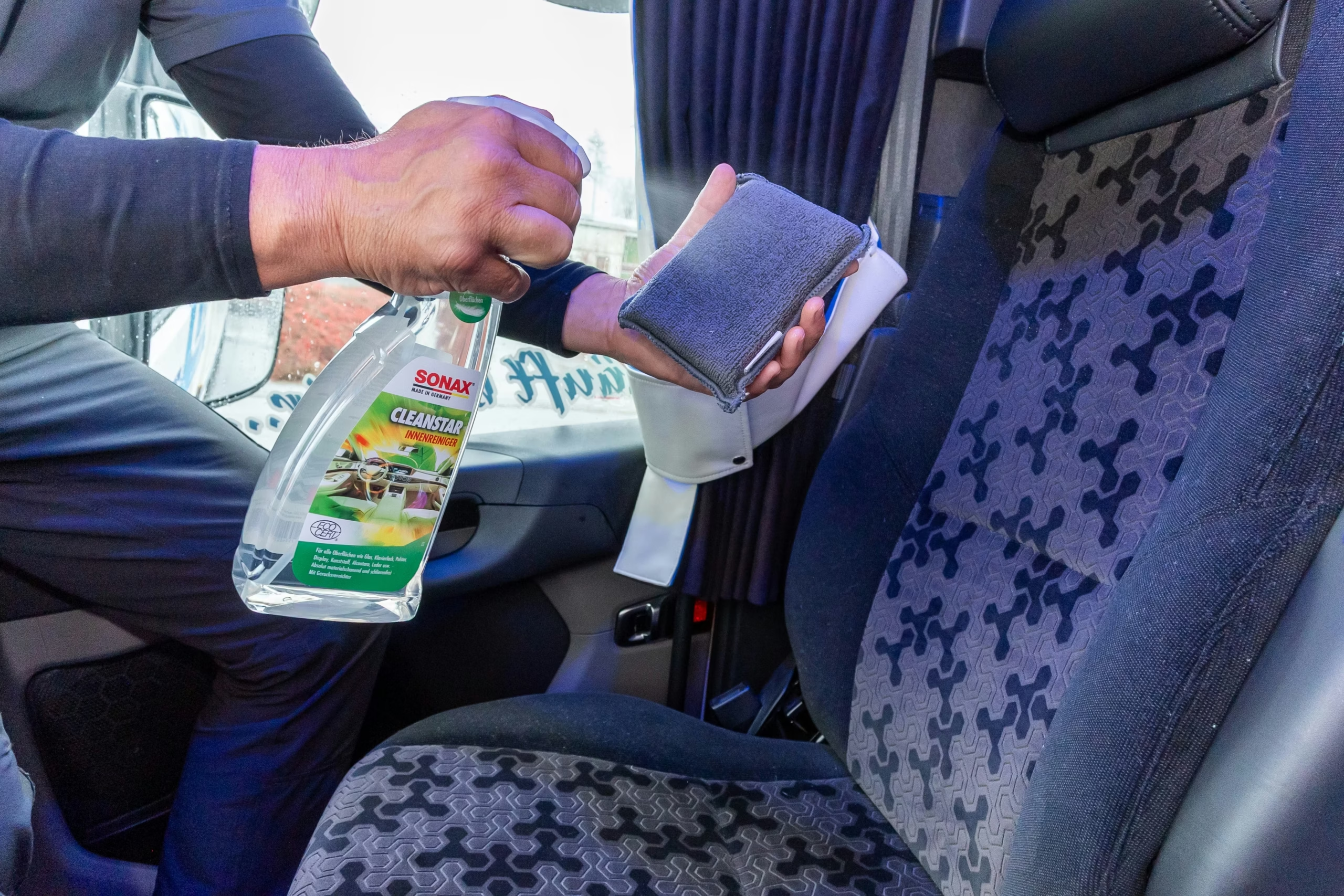
What professional cleaners need to achieve
Not every cleaner with a workshop or professional label is automatically suitable. From a professional point of view, three criteria are key. These can also be easily checked on the label or safety data sheet.
Customised formulation per surface
Paint, plastic, acrylic glass, upholstery and metal react differently to surfactants and pH values. A good interior cleaner is therefore tailored to the typical surfaces of the driver's cab and avoids harsh solvents. Material protection is therefore prioritised over maximum cleaning performance.
Residue-free on displays and sensors
Cleaners for touchscreens, sensors and cameras must dry residue-free and must not attack protective coatings. This is because the function of assistance systems depends on this property. A film of grease on a camera or an ADAS sensor, for example, can impair recognition.
Targeted cleaning effect for typical soiling
Diesel and oil residues, brake dust, road dirt and insects are typical. Specialised cleaners, on the other hand, are designed for these profiles. They therefore remove dirt more efficiently and in a more environmentally friendly way than conventional universal cleaners.
Keep a small product matrix in the workshop: which cleaner for which surface. This will prevent you from picking up the wrong bottle in day-to-day business. It also protects both the material and the warranty claim for sensitive electronics.
What works - and what expressly does not
The following overview summarises the most important points of reference from practice. Although it does not replace a safety data sheet, it does provide reliable guidance for everyday use.
| Field of application | Suitable | Unsuitable |
|---|---|---|
| Plastic surfaces | Interior cleaner, pH-neutral to mildly alkaline | Washing-up liquid, vinegar cleaner, alcohol |
| Displays & touchscreens | Display cleaner without aggressive solvents | Alcohol, abrasive cleaners, glass cleaner with ammonia |
| Sensors & Cameras | Residue-free special cleaner, microfibre cloth | Alcohol, white spirit, cloth with scraper fibres |
| Upholstery & Textile | Textile cleaner, sponge or brush | Aggressive stain removers, chlorine cleaners |
| Leather & piano lacquer | Leather care, microfibre with waffle structure | All-purpose cleaner, scouring agent |
| Disinfection | products developed for this purpose | Classic surface disinfection (often too aggressive) |
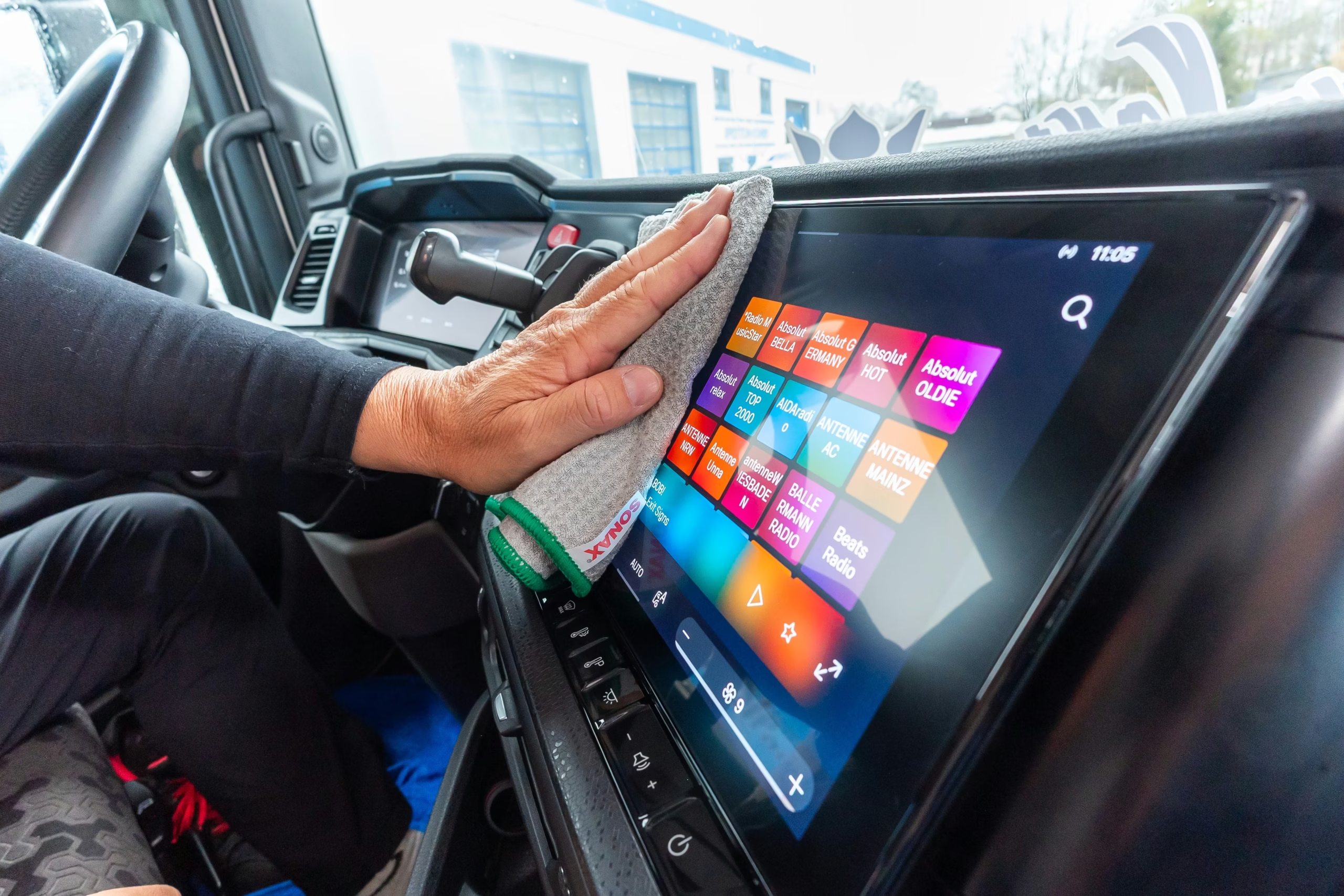
The tool side is often underestimated
Not only the cleaner, but also the accessories determine the result. Coarse cotton cloths and kitchen roll can cause microscopic scratches. These become visible on piano lacquer and displays. A high-quality microfibre cloth with a waffle structure, on the other hand, picks up dirt without stressing the surface. A sponge or soft brush is also the right choice for upholstery and headlining.
Always spray the cleaner onto the cloth, never directly onto the display or sensor. This will prevent liquid from running into gaps, attacking seals or building up under the protective layer. For more in-depth care aspects, our guides on lorry maintenance and preventive maintenance are also useful supplements.
Conclusion: Gentle cleaning is part of professional vehicle care
A modern lorry is technically complex - in the drive, in the assistance, in the interior. Cleaning and care must therefore fulfil this requirement. Household and universal cleaners may be sufficient for everyday use. However, they are not designed for the requirements of a commercial vehicle interior. Using professional products, on the other hand, preserves materials and technology, keeps operating surfaces clear and reduces follow-up costs due to premature ageing. In the workshop, this is therefore not a luxury, but a component of value-preserving vehicle care - and a tacit sales argument for leasing and remarketing appointments.
- Check which cleaners are currently in use - and whether they have been developed for vehicle interiors.
- Set up a small product matrix: Which product on which surface?
- Swap cotton cloths for microfibre with a waffle structure - especially for displays and piano lacquer.
- Briefly train your team: spray cleaner onto the cloth, never directly onto the display or sensor.
- Link the interior cleaning to regular inspection or maintenance appointments.
- Document the products used in the service data record - this can be crucial for guarantee and warranty issues.